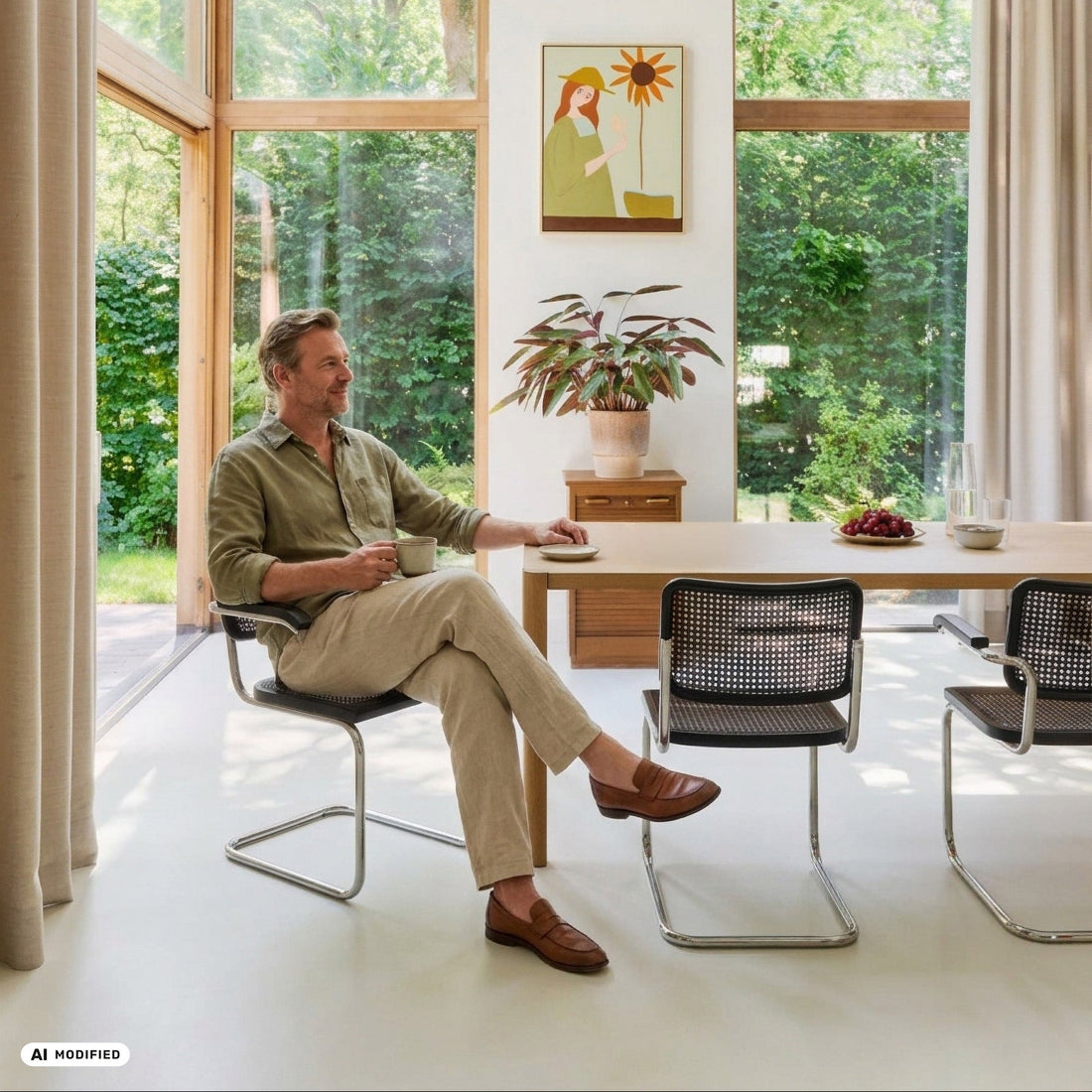
New Danish Design


From fashion and interiors to architecture, Danish design is known worldwide for clean forms, high-quality materials and a careful balance of function and aesthetics. Since the 1950s and 1960s, a period now known as "Danish Modern", Danish designers have shaped international design history with timeless pieces.
The classics of Danish Modern
Danish Modern was strongly influenced by a focus on people. Anthropometry, the study of the measurements and movements of the human body, provided the basis for ergonomic, functional designs.
Iconic designs by Arne Jacobsen, Hans Wegner and Børge Mogensen are now among the most important classics of Danish design. Pieces such as the Ant chair and the Panton Chair stand out for their organic forms, comfort and timeless design.

Legendary designs reinterpreted
Contemporary Danish design takes up the principles of classic pieces and combines them with current materials, colours and new design ideas. Designers such as Form Us With Love, Norm Architects and Claesson Koivisto Rune continue to develop the Nordic design tradition.
New Danish Design combines timeless forms with modern accents. Brands such as Stelton show how historic designs can be reinterpreted for today through new colours and material combinations.

Normann Copenhagen also represents the evolution of Danish design. The brand combines timeless design with contemporary colour concepts, creating furniture and accessories that bring classic values together with current trends.

A fresh perspective on the Scandinavian design tradition
Brands such as Muuto bring fresh energy to Scandinavian design. The name stands for change and new beginnings and reflects the brand's philosophy of combining traditional values with modern ideas.

Muuto brings together the design traditions of Norway, Sweden, Finland and Denmark with contemporary concepts, combining high-quality craftsmanship with innovative design.
Delicate designs and characterful materials
Guided by the idea of New Minimalism, the Copenhagen-based design company Menu creates furniture and home accessories that combine classic forms with modern materials.
The designs deliberately play with contrasts. A clear, pared-back visual language meets materials such as steel, concrete and marble, creating a balance between lightness and strong character.

Tradition meets modernity
New Danish Design connects the history of Danish design with contemporary needs. Young designers and established manufacturers create furniture and accessories that combine timeless forms with current colour and material trends.

The strength of Danish design lies in its combination of minimalism, craftsmanship and function. A considered approach to natural resources and durable materials makes these timeless designs well suited to contemporary homes.